

Every time technology makes a leap, the old guard pulls out the same tired playbook: scream “theft,” sue everybody, and claim that the soul of music is dying. But let’s cut through the noise—this isn’t about protecting art, it’s about fear.
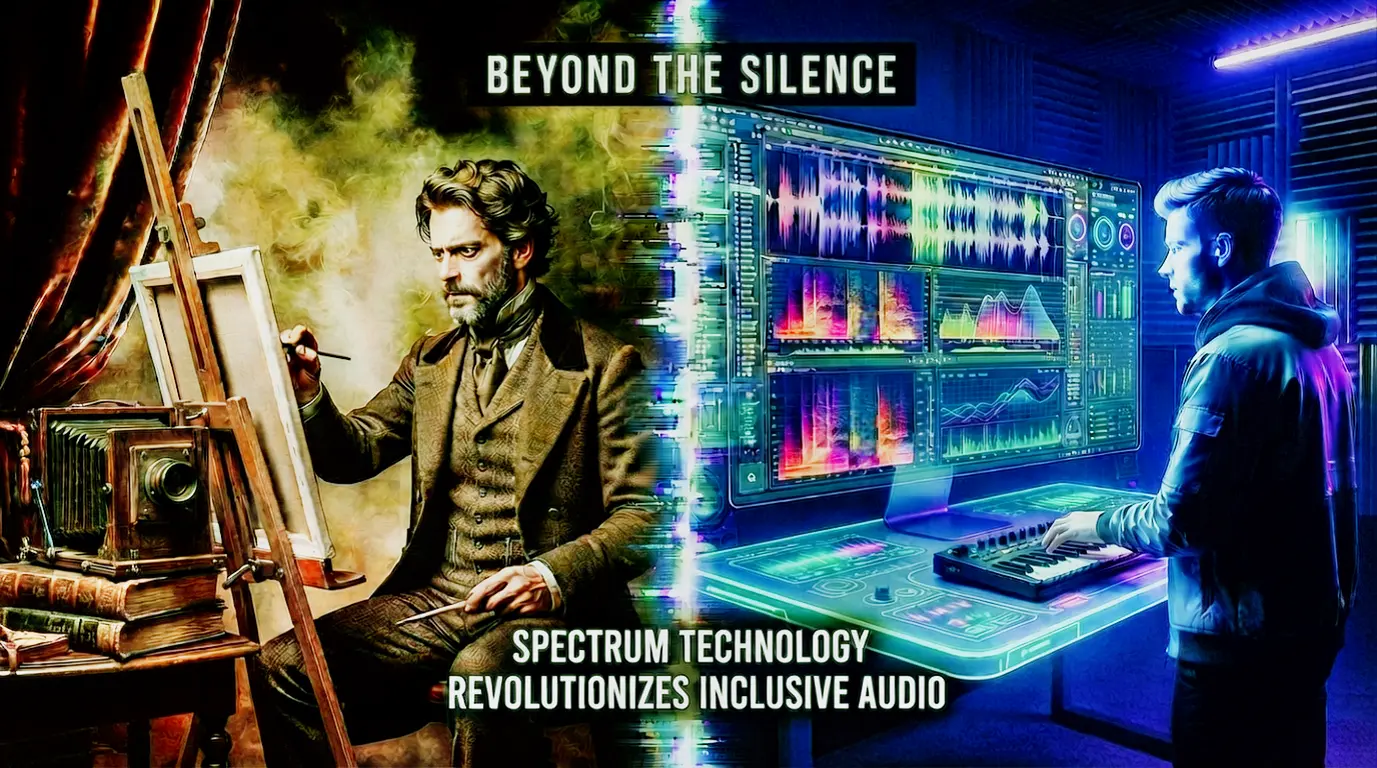
In the 1840s, portrait painters panicked when photography arrived. They claimed machines killed art because they couldn’t grasp a “human soul.” They were wrong. Photography didn’t kill art; it pushed out the mediocre, forcing real artists to innovate. Today, we see the exact same circus in the music industry, caught firmly in a classic Luddite Trap.
For decades, the industry has sold us a romanticized myth. You know the image: the starving artist in a damp basement, pouring “blood and sweat” into a record, surrounded by expensive, outdated gear and stacks of unpaid bills. They tell us this struggle is the only way to create “real” music.
This is not integrity; it’s a marketing strategy designed to gatekeep success. By claiming that music must be “hard” and “expensive” to produce, they effectively shut out anyone who doesn’t fit their narrow, elitist mold. They despise AI and modern digital workflows not because they produce bad art, but because they democratize the process.
Look at the stark contrast in modern creation:
The most hypocritical part of the anti-resistance crusade is the industry’s complete disregard for accessibility.
For creators who are deaf or hard of hearing, these modern tools are not a “shortcut”—they are an essential bridge. By utilizing spectrum technology to visualize sound waves, map complex harmonic structures, and translate frequencies into tactile or visual data, these artists are finally able to experience, shape, and express what they feel physically.
The music industry is not dying; it is simply undergoing a necessary, surgical update. The gatekeepers are terrified that their control is slipping away—and they should be.
The future of sound belongs to those who embrace precision, innovation, and the absolute freedom to create without asking for permission. Leave the old guard in their noisy, inefficient basements. The rest of us are busy building the future inside the Audio Lab.
Terms of Use:
All content on this site is for informational and artistic purposes only. The creators are not responsible for any individual interpretations or actions taken based on this material. By browsing this site, you agree to these terms.